


Surveying expertise for development, construction, and property decisions across New Zealand.
ACE Surveyor is a director-led surveying practice based in Auckland, supporting homeowners, architects, builders, and developers across New Zealand.

Get in touch
021 198 7679
1A/25 Airborne Road, Rosedale, Auckland 0632
info@acesurveyor.com
Boundary vs Identification Surveys in New Zealand: What's the Difference?

by ACE Surveyor
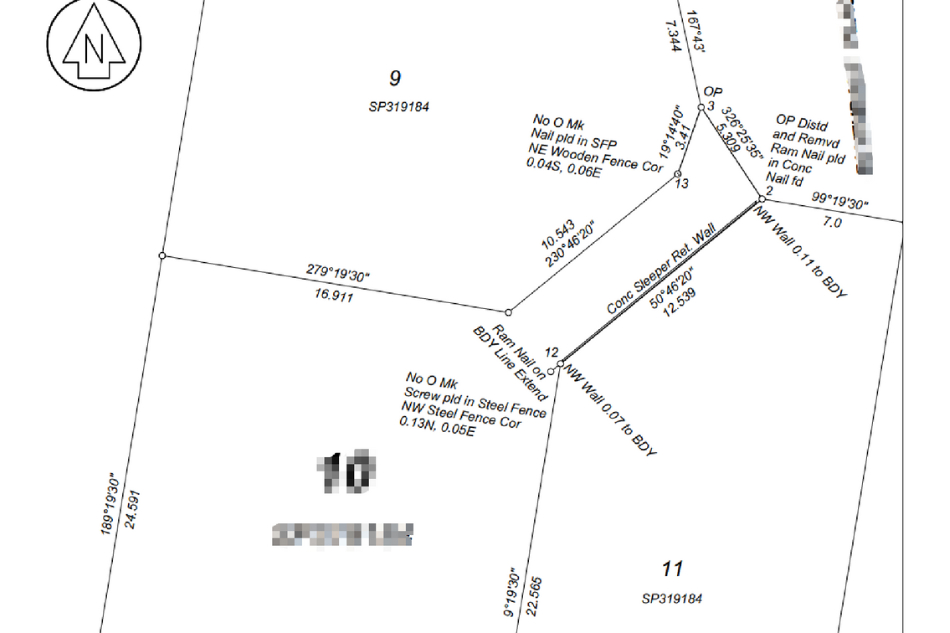
Boundary-related surveys are often requested under different names, which can create confusion about what is actually required.
In New Zealand, boundary surveys and identification surveys serve different purposes, even though they both involve defining property boundaries.
Boundary Survey
A boundary survey involves the re-establishment of property boundaries in accordance with Land Information New Zealand (LINZ) cadastral requirements.
It typically includes:
- Field investigation of existing survey marks
- Re-establishment of legal boundaries
- Placement of boundary marks or pegs (where required)
- Preparation of survey documentation suitable for legal or development purposes
Boundary surveys are commonly required for:
- Subdivision planning
- Boundary disputes or uncertainty
- Construction close to boundaries
- Preparation for future plan registration
Identification Survey
An identification survey focuses on showing how existing structures relate to the legal boundaries, rather than re-establishing them in full.
It generally shows:
- Existing buildings and structures
- Setbacks to boundaries
- Encroachments (if any)
- Boundary dimensions for conveyancing or due diligence
Identification surveys are commonly requested during property transactions or for development feasibility assessments.
Which One Do You Need
The correct survey depends on why the information is required.
- If legal boundary position is critical, a boundary survey is usually required
- If confirming existing improvements relative to boundaries, an identification survey may be sufficient
Early clarification avoids commissioning the wrong type of survey and having to repeat work later.
Final Thoughts
Understanding the difference between survey types helps property owners, developers and consultants make informed decisions early in the process.
Clear communication about project objectives ensures the survey scope aligns with regulatory and practical requirements in New Zealand.